

Walk through almost any Gwinnett County neighborhood in October and you’ll see the same thing: gutters packed with pine needles, sweetgum balls, and oak leaves left over from the last heavy rain. Georgia homeowners clean their gutters more often than people in most parts of the country, and that’s exactly what gutter guard companies sell against.
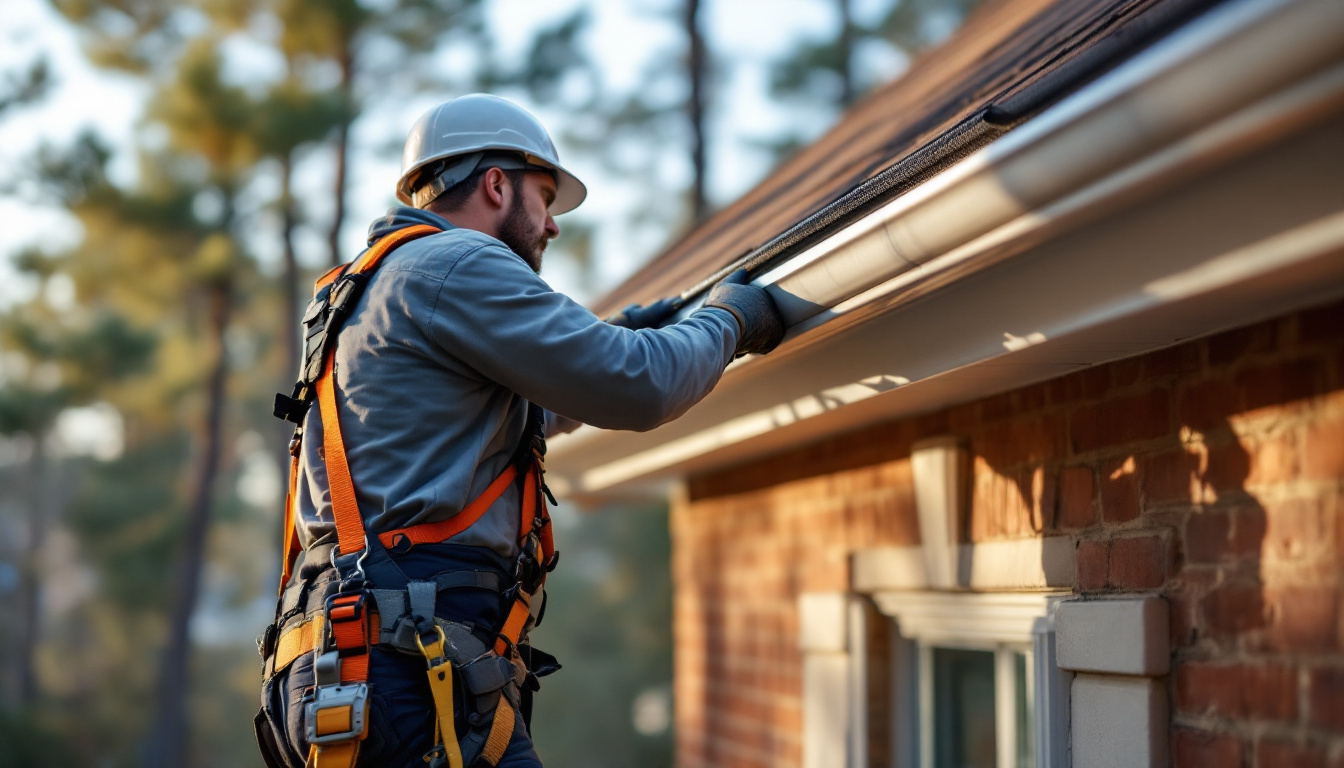
The pitch sounds simple: pay once, stop climbing the ladder four times a year. Quality Touch works with Metro Atlanta homeowners on exterior improvements ranging from window replacement to gutter services, and we see firsthand how much the wrong gutter guard can cost a homeowner over time. The type of system and the quality of installation matter a lot in Georgia’s specific climate.
Table of Contents
- What Georgia’s Gutters Are Up Against
- The Five Types of Gutter Guards
- What Gutter Guard Installation Costs in Georgia
- When Gutter Guards Are Worth the Investment
- What to Watch Out For
- Frequently Asked Questions
What Georgia’s Gutters Are Up Against
Atlanta averages close to 50 inches of rain per year, according to the National Weather Service. That’s well above the national average of 38 inches, and Georgia thunderstorms tend to dump large amounts of water in very short windows. Gutters that can’t drain fast enough cause overflow, and overflow means water against your foundation, fascia boards, and siding.
The tree problem is equally serious. Georgia’s loblolly and shortleaf pines drop needles year-round, not just in fall. Fine pine needles are harder to manage than broad leaves because they slide through standard mesh openings and mat together inside the gutter channel. Homes near pine trees need a gutter guard designed to block debris at that scale.
Add in sweetgum balls, Georgia oak leaves, and seed pods from maples and tulip poplars, and it’s clear why Gwinnett County homeowners often clean gutters three to four times a year compared to the national average of twice annually. The right gutter guard can cut that down significantly. The wrong one just adds a product that also needs cleaning.
The Five Types of Gutter Guards
Not all gutter guards work the same way, and Georgia’s debris mix exposes the weaknesses of cheaper systems fast. Here’s an honest breakdown of what’s available.
Screen Guards
Basic screens with openings between 1/8 inch and 1/2 inch work fine for homes with only large deciduous trees. They keep big oak leaves out of the gutter channel and can reduce cleaning from four times a year to twice. The problem: pine needles pass straight through those openings and form horizontal mats inside the gutter. For any Georgia home near pine trees, standard screens underperform.
Reverse-Curve Guards
These use surface tension to pull water into the gutter while debris falls off the edge. They work reasonably well in dry climates with large-leaf trees. In Georgia’s wet conditions, wet pine needles and seed pods stick to the curved surface and follow the water in. Performance drops quickly when debris is fine or consistently wet.
Foam Inserts
Foam inserts sit inside the gutter and let water seep through while blocking debris on top. In Georgia, pine needles embed in the foam and can’t be removed without pulling the entire insert out. Mold and plant growth inside the foam are also common in Georgia’s humid conditions. These are generally the lowest-cost and lowest-performing option in this climate.
Brush Inserts
Brush inserts trap small debris between the bristles, including the pine needles they’re supposed to stop. Once needles are embedded, they’re nearly impossible to remove. Brush systems become debris magnets over time and can block water flow entirely. We don’t recommend them for Georgia homes with significant tree coverage.
Micro-Mesh Guards
Micro-mesh guards use surgical-grade stainless steel mesh with openings between 50 and 990 microns. Water passes through via surface tension. Debris, including fine pine needles, sits on top and typically blows off or is removed during periodic maintenance. These are the only type that reliably handles both pine needle and broad-leaf debris at the same time.
For most Georgia homes near trees, micro-mesh is the right category. Quality within that category still varies, so the installation matters as much as the product.
What Gutter Guard Installation Costs in Georgia

Gutter guard costs vary significantly by type and home size. According to Angi’s 2026 data, professional gutter guard installation runs $6 to $13 per linear foot nationally, with total project costs between $653 and $2,458 for an average home. Atlanta-area homeowners typically see $5 to $10 per linear foot for add-on guard systems, reflecting the metro’s slightly lower cost of living compared to national averages.
Here’s a more detailed breakdown by guard type, based on 2026 pricing from RoofScour and HomeGuide:
- Screen and vinyl mesh: $1 to $4 per linear foot installed
- Perforated aluminum covers: $9 to $12 per linear foot installed
- Stainless steel micro-mesh: $12 to $16 per linear foot installed
- Premium bundled systems (new gutters plus guards): $18 or more per linear foot
- Brand-name systems like LeafGuard: $20 to $70 per linear foot, or $3,000 to $10,500 for a typical home (HomeGuide, 2026)
A standard Metro Atlanta home has roughly 150 to 200 linear feet of gutters. At micro-mesh pricing, expect to pay $1,800 to $3,200 for a professionally installed system that will actually work with Georgia’s pine needle load. If your budget is tight, financing options are available through Quality Touch with no impact on your credit score during the application.
The wide price gap between budget screens and quality micro-mesh comes down to materials and installation labor. A $2-per-foot screen that lets pine needles through still requires cleaning twice a year. A quality micro-mesh system that reduces cleaning to once annually pays for the difference over a few years.
When Gutter Guards Are Worth the Investment
For most Georgia homeowners, gutter guards offer a real return, but the payback period depends on what you’re replacing. If you currently pay a professional to clean your gutters three or four times a year, a quality micro-mesh system typically breaks even within three to five years based on avoided cleaning costs. After that, the savings continue as long as the guards hold up.
The case is stronger when your home has heavy tree coverage, a two-story roofline that makes cleaning dangerous, or gutters that have caused water damage in the past. Protecting your fascia boards and foundation from overflow events is harder to put a direct dollar figure on, but it’s a real benefit. Gutter replacement in Atlanta runs $781 to $2,103 on average according to Angi, and much of that damage is preventable with proper drainage.
Gutter guards also add value alongside other exterior improvements. If you’re already updating your home’s exterior, such as replacing aging windows to improve energy efficiency, combining projects can reduce overall cost and disruption. You can read more about how exterior upgrades affect your home’s long-term value in our post on the benefits of window replacement.
The case is weaker when your home has minimal tree coverage, when gutters are already in poor condition (replace those first), or when you’re looking at the cheapest available screen system as a solution for a heavy pine needle load. In that case, you’ll spend money and still clean gutters just as often.
What to Watch Out For
Gutter guard installation is a relatively unregulated home improvement service, which means the quality gap between contractors is wide. Be cautious of door-to-door solicitations that promise no-maintenance gutters for life. No guard system eliminates maintenance entirely, and any company that tells you otherwise is overselling the product.
Check that your installer is licensed and carries liability insurance. Ask specifically whether they install their own guards or sub the work to a separate crew. Accountability gaps between a sales company and a subcontracted installation crew are one of the most common sources of gutter guard complaints in Georgia.
Also verify that the guards being installed are compatible with your gutter type and pitch. Guards installed on gutters that are already sagging, leaking, or improperly pitched won’t solve the underlying drainage problem. Any reputable installer should inspect your gutters before quoting guard installation and flag any issues that need to be addressed first.
Frequently Asked Questions
Do gutter guards work with pine needles?
Most basic screen guards do not block pine needles. Standard mesh openings of 1/8 to 1/2 inch allow fine needles to pass through and mat inside the gutter. Micro-mesh guards with stainless steel mesh rated at 50 to 990 microns are the only type that reliably blocks pine needle debris. This matters significantly for Georgia homes near loblolly or shortleaf pine trees.
How much does gutter guard installation cost in Georgia?
Based on 2026 data from Angi, Atlanta-area homeowners pay $5 to $10 per linear foot for add-on gutter guard systems. Premium micro-mesh systems run $12 to $16 per linear foot installed (RoofScour, 2026). A typical Metro Atlanta home with 150 to 200 linear feet of gutters can expect to pay $1,800 to $3,200 for a quality micro-mesh installation.
Are gutter guards a one-time fix?
No gutter guard system eliminates maintenance entirely. A quality micro-mesh system in Georgia reduces cleaning from three or four times a year to roughly once annually, but some debris will still accumulate at connection points and downspout openings. Annual inspection is still recommended, especially after heavy storm seasons.
What type of gutter guard works best in Georgia?
Micro-mesh guards with stainless steel mesh perform best for Georgia’s conditions. The combination of year-round pine needle shedding, 50 inches of annual rainfall, and heavy deciduous debris from oaks and sweetgums requires a system that blocks fine debris while handling high water flow. Basic screens, foam inserts, and brush systems underperform consistently in this climate.
Should I replace gutters before adding guards?
Yes, if your gutters are sagging, leaking at seams, or improperly pitched, installing guards on top won’t fix those problems. Gutter guards work best on gutters that are already functioning correctly. If your gutters are more than 20 years old or showing signs of failure, replacing them first and adding guards at the same time is often the most cost-effective approach.
Can I install gutter guards myself?
DIY snap-on screen guards are available at home improvement stores for $1 to $3 per linear foot. They can reduce cleaning frequency for homes with only large-leaf trees. For Georgia homes near pine trees, or for any two-story home where ladder work carries real safety risk, professional installation of a quality micro-mesh system is a better return on both cost and safety.
The Bottom Line
For most Metro Atlanta homeowners with tree coverage, quality gutter guards are a practical investment that pays off within a few years in avoided cleaning costs and reduced damage risk. The word “quality” matters: a cheap screen guard in a pine-heavy neighborhood solves very little. Get a micro-mesh system installed by a licensed crew, confirm your gutters are in good shape first, and you’ll spend far fewer weekends on a ladder.
Call Quality Touch at 770-526-3268 or request a free estimate at qtremodeling.com. We serve Gwinnett County and greater Metro Atlanta.
continue reading
Related Posts
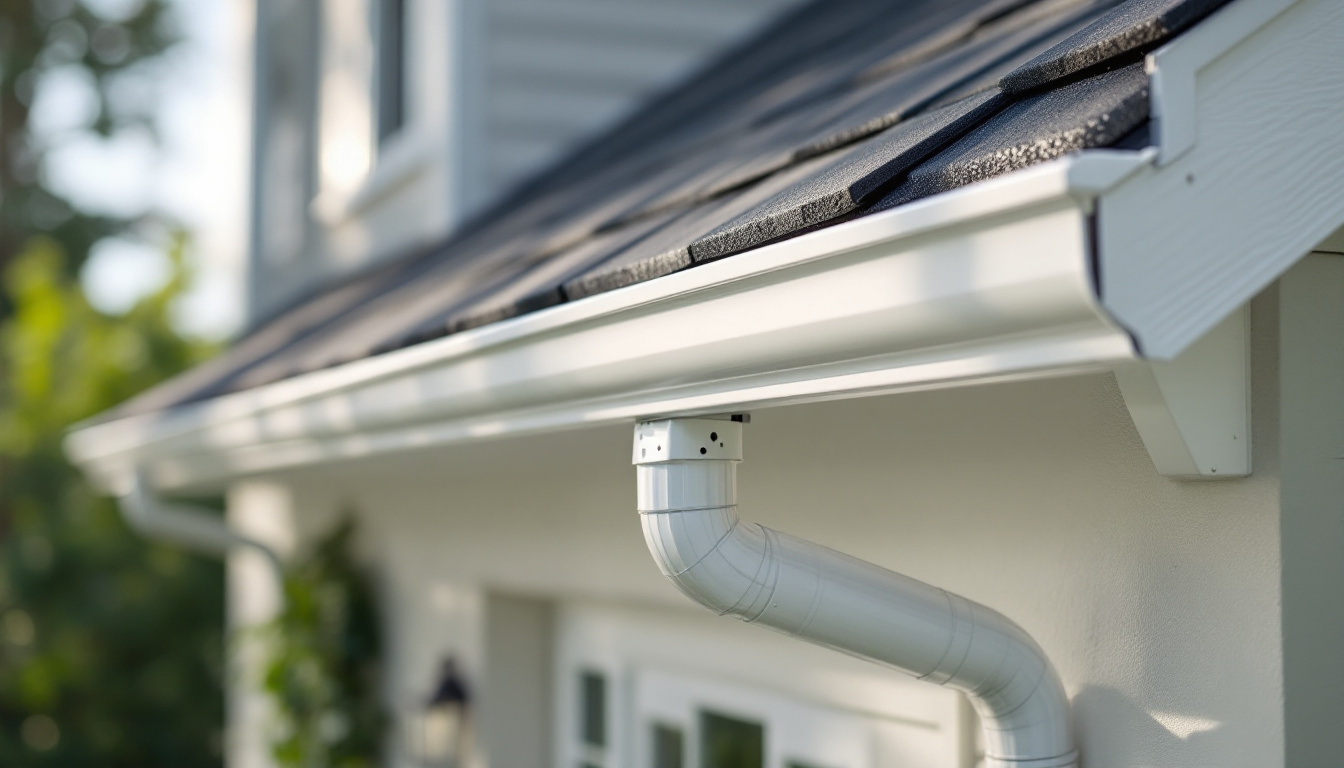
Atlanta gets 50 inches of rain a year. The gutter type you choose determines how well your home handles it. Here is what the difference actually costs.