
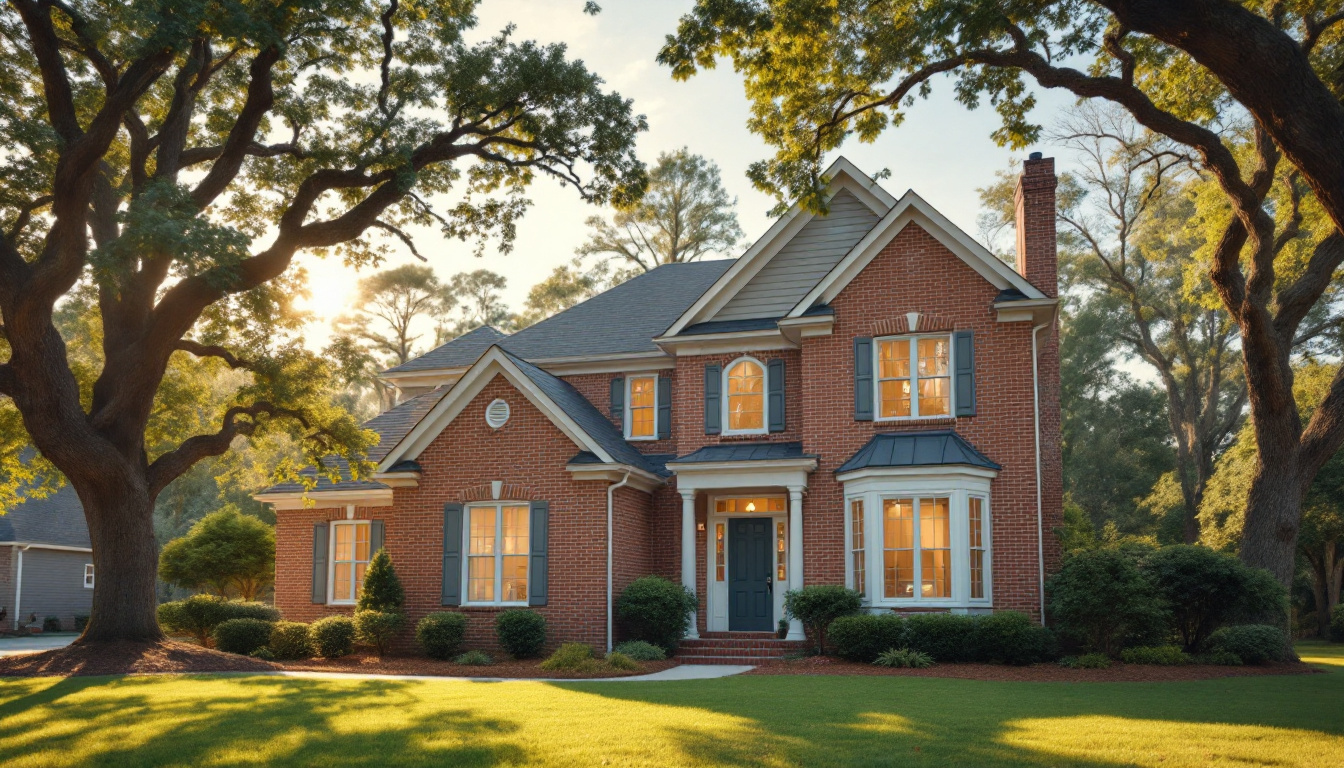
A lot of Gwinnett County homeowners try to measure their own windows before calling anyone, then end up with a quote that doesn’t match what they measured. The gap usually isn’t math. It’s technique.
Replacement windows are ordered to the rough opening, not to whatever number looks close on a tape measure. Get that number wrong by even a quarter inch and the window either won’t fit or won’t seal right. Before you start any window replacement project yourself, it helps to know exactly how the pros do it.
Why Measuring Matters More Than People Think
Replacement windows are built to fit inside your existing frame, not the wall opening itself. That means the measurement has to account for the frame’s actual condition, which in a lot of Gwinnett homes built between 1975 and 1995 isn’t perfectly square anymore.
Wood shifts. Foundations settle. A frame that looks rectangular can be a quarter inch narrower at the top than at the bottom. Manufacturers build to the smallest number on purpose, so missing that detail is the single biggest reason DIY orders come back wrong.
Tools You’ll Need
Skip the fabric tape measure. Use a steel tape measure at least 25 feet long, a pencil, a notepad, and a flat, level surface to rest against if the sill is angled. A helper makes this faster, since some measurements need two hands holding the tape taut.
Step 1: Measure the Width
Measure the distance between the jambs (the vertical sides of the frame) at three points: near the top, in the middle, and near the bottom. Measure inside the frame, not the trim or casing around it.
Write down all three numbers. The smallest of the three is your width measurement. This is the figure that gets used, even if the other two are larger.
Step 2: Measure the Height
Measure from the head jamb (the top of the frame) down to the sill at three points: left side, center, and right side. As with width, record all three and circle the smallest one.
If the sill is sloped for drainage, measure from the highest point of the slope where it meets the glass, not the lowest edge. This is a common mistake that throws off the final number.
Step 3: Check the Depth
Depth matters because not every replacement window fits every frame. Measure from the outside face of the exterior trim to the inside face of the interior trim in a few spots around the opening.
Older Gwinnett homes with original wood-frame windows sometimes have shallower depths than what modern double-pane units need. This is one of the details a written estimate should call out before you order anything.
Step 4: Record Everything the Same Way
List measurements as width first, then height, then depth. Installers and manufacturers all use this order, and mixing it up is how the wrong-size window ends up on a truck. Round down, never up. If a measurement falls between two standard sizes, order isn’t complete until someone accounts for a proper clearance gap, typically around a quarter inch on each dimension.
Common Mistakes That Lead to a Wrong Order
Measuring the trim instead of the frame is the most common error. The decorative casing around a window is almost always wider than the actual jamb-to-jamb opening, and using it inflates every number that follows.
Rounding up is the second one. If a measurement lands between two eighth-inch marks, always record the smaller figure. A window ordered too large simply won’t sit in the opening, while one ordered slightly small still has room for shims and proper sealant.
The third mistake is measuring once and calling it done. A single pass can miss an out-of-square frame entirely, which is exactly why the three-point method exists in the first place.
When to Stop and Call a Professional
Measuring is the easy part. Diagnosing why a frame is out of square, checking for wood rot inside the jamb, or confirming a header is still structurally sound takes someone who’s done hundreds of these installs. A free consultation from an in-house crew catches those issues before they turn into a change order mid-project.
This also matters for the financial side of the job. Getting accurate numbers upfront keeps the quote honest, and if the total is more than expected, financing options exist that don’t affect your credit just to see what you qualify for.
What Accurate Measuring Protects You From
A correctly measured, correctly installed window does more than look right. It seals properly, which is where most of the energy efficiency gains from a replacement actually come from. A window that’s slightly too small and gets shimmed and caulked into place will never perform the way a properly fitted one does, no matter how good the glass is.
Georgia’s humidity makes this worse over time. Gaps around an ill-fitted frame let moist air in, which accelerates seal failure and wood rot around the opening. What starts as a measuring shortcut can turn into a second replacement a few years sooner than it should.
Frequently Asked Questions
Do I need to measure all three points on every window?
Yes. Homes settle unevenly, and a single measurement can miss a narrower or shorter spot that the window actually needs to fit. Manufacturers build to the smallest number for a reason.
What happens if my measurements are slightly off?
A window that’s too large won’t fit the opening at all. One that’s too small gets shimmed and caulked, which weakens the seal and shortens the window’s lifespan. Neither outcome is worth the risk of a rough DIY measurement.
Should I measure from inside or outside the house?
Measure from inside. Exterior trim and siding can make the opening look different than the actual frame dimensions the window needs to match.
Is there a standard window size, or is every measurement custom?
Older Gwinnett homes rarely have perfectly standard openings anymore due to settling. Most replacement orders end up custom-sized to the actual rough opening rather than a stock size.
Can I trust the measurements a big-box store gives me?
It depends who’s doing the measuring. Some retailers send subcontracted crews rather than in-house staff, and accountability for a bad measurement gets murky when the person who measured isn’t the one who installs.
How long does a professional measurement and consultation take?
Most in-home consultations run 30 to 45 minutes per window, including a check of the frame condition, not just the numbers.
Measuring correctly is the foundation of a window replacement that actually performs. Get the numbers right, or have someone check them for you, before a single window is ordered.
continue reading
Related Posts
Whole-home window replacement in Metro Atlanta routinely lands between $7,000 […]
Most Metro Atlanta homeowners assume a front door swap is […]
Homeowners shopping for a single window replacement in Metro Atlanta […]