
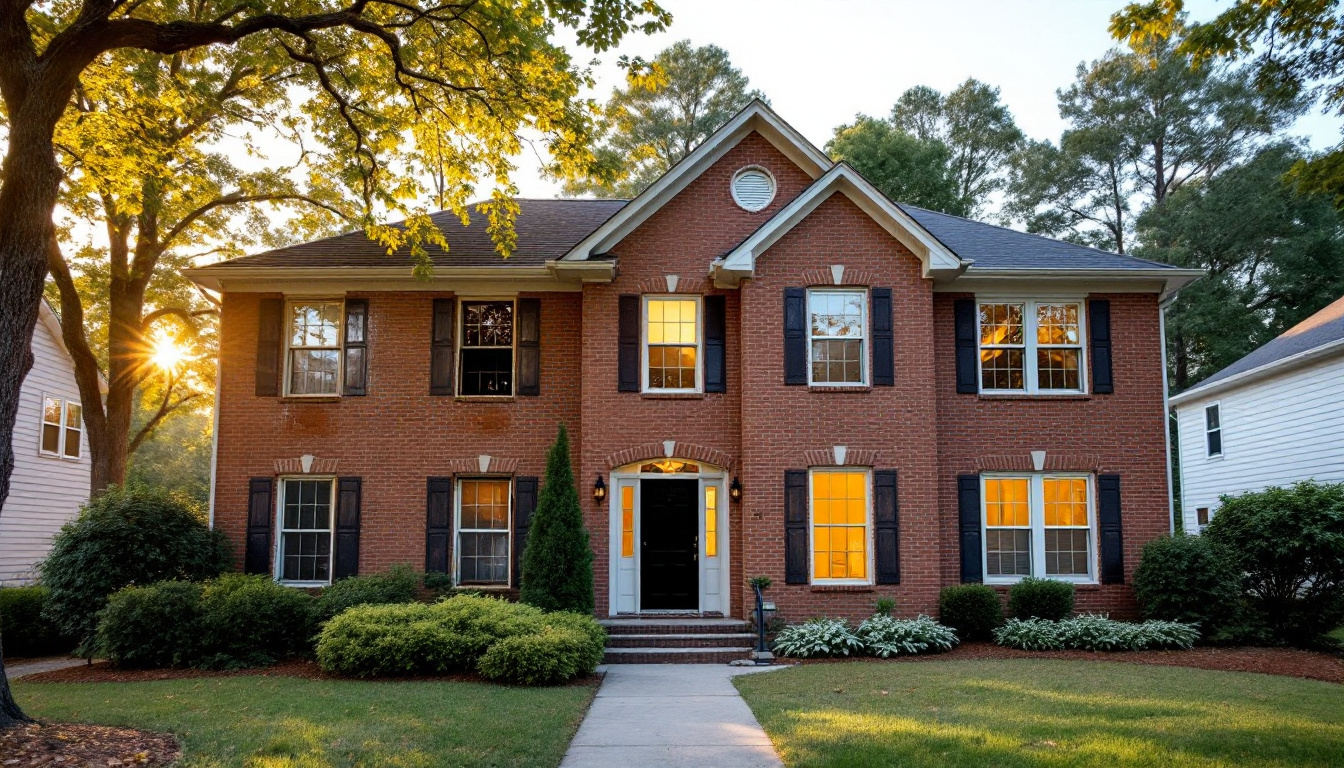
Walk through almost any neighborhood in Gwinnett County and you’ll spot the same problem on homes built in the 1980s and early 1990s: wood window frames with peeling paint, swollen sashes, and visible rot at the corners. For those homeowners, the question isn’t whether to replace the windows. It’s what to replace them with. When you’re considering window replacement in Metro Atlanta, the wood-versus-vinyl decision comes up in almost every quote conversation.
Both materials work. The difference is in what they cost upfront, how much work they demand over time, and how well they hold up in Georgia’s specific climate. Here’s what the numbers and the weather actually say.
What’s in This Guide
- The Core Difference
- Cost Comparison
- Maintenance Reality in Georgia
- Energy Efficiency in Zone 3
- Lifespan and Long-Term Value
- Which Should You Choose?
- Frequently Asked Questions
The Core Difference
Wood windows are built from solid timber, typically pine, oak, or engineered wood composites. They’ve been the standard in American homes for over a century. They look traditional, take paint or stain well, and can match the aesthetic of older homes precisely.
Vinyl windows are made from PVC (polyvinyl chloride), a rigid plastic material. Vinyl became widely popular in the 1970s and 1980s as a low-maintenance alternative to wood. Today, quality vinyl windows include reinforced frames, multi-chamber construction, and the same weather-sealing technology found in high-end wood products.
The material choice affects everything downstream: cost, installation complexity, ongoing maintenance, and performance in Georgia’s heat and humidity.
Cost Comparison
The upfront price difference is significant. According to HomeGuide’s 2026 data, wood replacement windows typically run $600 to $1,400 per window installed. Vinyl replacement windows come in at $350 to $1,500 per window installed, with mid-range options falling between $450 and $800 per window.
On average, wood windows cost 50 to 100 percent more than comparable vinyl windows, according to HomeGuide. For a home with 15 windows, that gap can mean $3,000 to $8,000 more out of pocket on the initial project alone.
Quality Touch Remodeling installs double-pane vinyl windows with argon gas and low-e glass starting at $680 per window (lower than that with 10 or more windows). That price includes removal of the old window and full installation by in-house certified installers. It positions their product in the mid-range of the vinyl market while including features you’d often pay extra for elsewhere.
If upfront cost is a concern, financing is available through Quality Touch with no impact on your credit score during the application process. That makes it easier to replace multiple windows at once rather than stretching a project over several years.
Maintenance Reality in Georgia

Georgia has one of the most demanding climates for wood windows in the country. The state averages 50 to 55 inches of rainfall per year, and summer humidity routinely sits above 70 percent. That combination causes wood frames to swell, paint to peel, and rot to set in at the corners and sills.
Most Gwinnett County homes built between 1975 and 1995 had wood windows when new. If those original windows are still in place, decades of Georgia humidity have done real damage. You can often see it from the street: cracked paint, darkening wood at the base of the frame, sashes that stick in summer and rattle in winter. It’s a common site when Quality Touch replaces windows in Lawrenceville or Suwanee.
Keeping wood windows in good condition requires repainting every five to seven years, periodic caulking, and inspection for rot after heavy rain seasons. Over a 30-year period, those maintenance costs can add $1,500 to $4,500 per window in paint, stain, sealant, and labor, according to HomeGuide. For a full house, that’s a number that rarely shows up in the initial comparison.
Vinyl windows need almost none of that. They don’t rot, rust, or require paint. Cleaning them with soap and water once or twice a year is typically all they need. In Georgia’s climate, that maintenance difference matters more than it would in a drier state.
Energy Efficiency in Zone 3
Georgia sits in Energy Star Zone 3, which sets specific requirements for window performance. The Energy Star program requires a Solar Heat Gain Coefficient (SHGC) of 0.25 or less for Zone 3 windows. That spec reflects the reality of Georgia summers: intense sun loads far more heat into your home than cold winters pull out.
Both wood and vinyl windows can meet Energy Star Zone 3 requirements when paired with the right glass package. The key specs are the same regardless of frame material: double-pane or triple-pane glass, argon gas fill, and low-e coating. For energy performance, the glass package matters more than whether the frame is wood or vinyl.
Quality Touch’s standard installation includes double-pane glass with argon gas fill and low-e coating, which meets Energy Star Zone 3 requirements. Their frames also include a triple weatherstrip barrier, which provides 50 percent more weather-sealing than standard installations and meaningfully reduces air infiltration.
Upgrading from old single-pane wood windows to modern double-pane vinyl delivers real savings. The full range of benefits from new window installation includes lower utility bills, reduced drafts, and better temperature consistency throughout the home.

Lifespan and Long-Term Value
Wood windows can last 30 to 50 years or longer when properly maintained. The catch is that proper maintenance in Georgia is not optional. A neglected wood window in a high-humidity climate will fail in 15 to 20 years, not 50.
Vinyl windows last 20 to 40 years under normal conditions. Well-maintained installations in moderate climates regularly reach 30 to 35 years of service life, according to Thompson Creek. In Georgia, the absence of rot risk means vinyl more reliably hits the upper end of that range.
When you factor in maintenance costs over 20 to 30 years, vinyl’s total cost of ownership is lower for most homeowners. The wood window’s potential for a longer life comes at a real price in time, money, and attention that many homeowners underestimate at the outset.
Which Should You Choose?
Wood windows make sense in a narrow set of circumstances: historic homes where original character must be preserved, properties where HOA or local preservation ordinances restrict vinyl, or custom architectural features that vinyl can’t replicate. In those cases, the premium cost is justified.
For most Georgia homeowners replacing aging windows in a standard residential home, vinyl is the practical answer. It costs less upfront, requires almost no maintenance, performs well in Georgia’s climate, and carries reliable warranty coverage from quality installers.
Quality Touch Remodeling uses in-house certified installers for every job. No subcontractors. That means the same team that quotes your project does the installation, and the same company backs the lifetime warranty on both product and labor. In a market where many large window companies send subcontractors to the jobsite, that accountability matters especially when it comes to warranty claims years later.
Frequently Asked Questions
Are wood windows still made for modern homes?
Yes. Major manufacturers including Andersen, Marvin, and Pella still produce wood and wood-clad windows. They’re positioned as premium products, typically priced 50 to 100 percent higher than comparable vinyl options according to HomeGuide.
Can you paint vinyl windows?
Vinyl windows come in factory colors and are not designed for field painting. The PVC material expands and contracts with temperature, which causes paint to crack and peel over time. Most vinyl window warranties are voided if the exterior surface is painted.
How much does wood window rot repair cost?
Minor rot repairs run $100 to $300 per window depending on the extent of damage. Severe rot that reaches structural framing can cost significantly more and often makes full replacement the better financial decision.
Do vinyl windows look cheap compared to wood?
Modern vinyl windows have improved significantly in appearance. They’re available in multiple colors and finishes, including woodgrain textures on the interior surface. Many homeowners can’t distinguish quality vinyl from wood in finished interior photos.
What is the best window material for Georgia’s climate?
Vinyl performs best in Georgia’s combination of heat, humidity, and rainfall. It resists moisture damage, doesn’t require painting, and holds its shape through the temperature swings that cause wood frames to swell and contract seasonally.
Does Quality Touch install wood windows?
Quality Touch Remodeling specializes in vinyl window replacement. Their standard installation includes double-pane, argon gas, low-e vinyl windows starting at $680 per window installed, with a lifetime warranty on both product and labor.
The Bottom Line
Wood windows cost more upfront and significantly more to maintain over time, especially in Georgia’s humid climate. Vinyl windows deliver comparable energy performance, a lower initial price, and far less maintenance with a reliable lifespan of 20 to 40 years.
For a free estimate on vinyl window replacement in Gwinnett County or anywhere in Metro Atlanta, contact Quality Touch Remodeling at 770-526-3268 or visit qtremodeling.com.
continue reading
Related Posts
Plenty of Metro Atlanta homeowners walk into a window quote […]
Most homeowners assume window replacement is a multi-day ordeal that […]
Most Gwinnett County homeowners schedule a window replacement expecting a […]